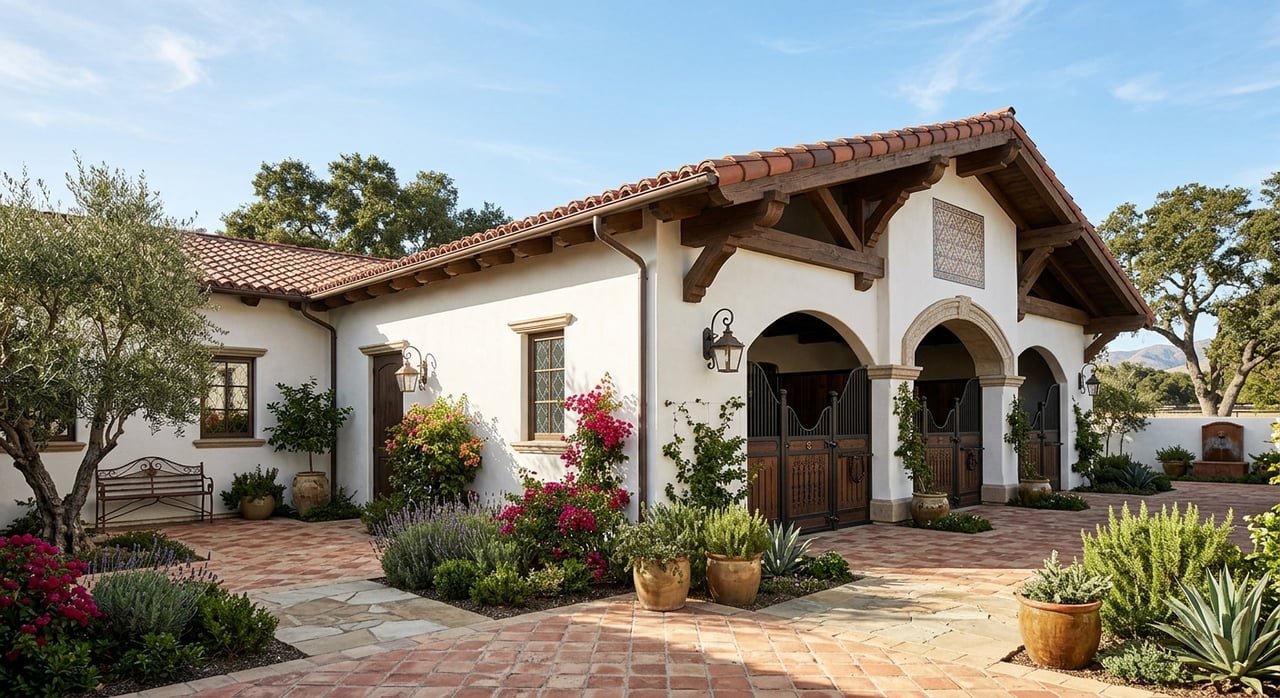
Thinking about selling a historic or equestrian home in San Juan Capistrano? This is not the kind of property you want to market like a standard suburban listing. If your home has preservation status, horse facilities, acreage, or legacy improvements, buyers will look closely at the details, and the right preparation can protect both value and timing. Let’s dive in.
Why San Juan Capistrano Is Different
San Juan Capistrano stands apart because history and equestrian use are built into the city’s identity. The city’s Inventory of Historic and Cultural Landmarks includes Mission and downtown buildings, the Los Rios Street Historic District, Mission Hill-Mission Flats, adobe buildings, and ranch and farmhouses from the 19th and 20th centuries. The city also notes that it has 13 sites or districts on the National Register of Historic Places.
That matters when you sell. In this market, buyers may care as much about authenticity, stewardship, and setting as they do about square footage or finishes. A home’s story, condition, and legal status can all influence how it is received.
Equestrian living also has a real place here. San Juan Capistrano supports horsemanship programming, maintains public equestrian trails, and plans for an extensive network of bicycle, pedestrian, and equestrian trails. For sellers of horse properties, that means the lifestyle itself can be part of the value proposition when it is presented clearly.
The market supports strong positioning as well. Recent public trackers reported a median sale price of about $1.74 million with roughly 32 days on market, while another source reported an average home value above $1.35 million with pending times around 20 days. The exact numbers vary by source, but the broader message is consistent: San Juan Capistrano remains a premium, competitive market.
Confirm Historic Status Early
Before you list, find out whether your property is simply older with character or formally recognized within the city’s preservation framework. This is one of the first questions serious buyers will ask, especially if your home appears to have historic significance or sits in an area known for older properties.
San Juan Capistrano’s preservation policies supplement Municipal Code Section 9-2.327 and CEQA requirements. The city says these policies address topics such as archaeological monitoring, reports for potentially historic sites, and alterations, modifications, or demolition of significant structures. In practical terms, that means buyers may want to see a clear paper trail.
A strong pre-listing file may include:
- Historic designation paperwork
- Records showing whether the property is on the Inventory of Historic and Cultural Landmarks
- Prior preservation approvals
- Building permits and final signoffs
- Contractor invoices and restoration records
- Before-and-after documentation for meaningful work
If your home has a documented history of thoughtful upkeep, that can support buyer confidence. It also helps your marketing speak to stewardship rather than relying only on charm.
Check Whether a Mills Act Contract Applies
If your property is on the city’s historic inventory, you should also confirm whether a Mills Act contract is in place. The city says Mills Act contracts are available only to buildings on the Inventory of Historic and Cultural Landmarks, must be approved by City Council, and are recorded with the County.
That is important because a recorded Mills Act contract is not just background information. It is part of the property’s legal and financial picture, and buyers should be able to review it early.
The city’s Mills Act materials indicate that application packages can require items such as:
- A site or plot plan
- Photographs
- A building condition assessment for structures in disrepair
- Recent tax valuation information
- Other information requested by the Planning Director
If you already have these records organized, your sale process can feel much smoother. It also helps reduce confusion during escrow when buyers begin reviewing property documents in detail.
Review Horse Use and Zoning
If you are selling an equestrian property, do not assume buyers will understand what is allowed just by seeing a barn or paddock. San Juan Capistrano zoning expressly addresses horse use, and the city’s land-use table shows that noncommercial horse keeping is permitted in some residential and agricultural districts. It also says horse stables and equestrian centers are conditionally permitted in some districts, and communal equestrian facilities may be allowed in connection with a subdivision, all subject to the city’s Equestrian Standards.
For a seller, that means one of the smartest steps is verifying current use and assembling any records tied to the improvements. If your property includes barns, tack rooms, wash areas, fencing, turnout, trailer access, or riding-related site work, buyers may ask whether those features were approved and how they fit within current standards.
It helps to prepare answers to questions like these:
- Is horse keeping allowed on this parcel?
- Were the barn and related structures permitted?
- Are there setback or use limitations?
- Has drainage or grading work been approved?
- Are there any conditions tied to the property’s equestrian facilities?
Clear answers help protect your negotiating position. Unclear answers often invite discounts, delays, or repair requests.
Verify Permits for Improvements
Historic and equestrian homes often have layers of work completed over many years. That may include additions, hardscape, driveway changes, fences, barns, grading, drainage work, or restoration projects. Before listing, review what was done and what approvals were required.
San Juan Capistrano’s permit guidance states that building permits are required for most work that erects, constructs, enlarges, alters, repairs, moves, improves, removes, converts, or demolishes a structure. The city also notes that all grading and visible site-improvement projects must first be approved by the Planning Department.
The same city guidance says outside-agency approvals may also be required, and some properties may need HOA or CC&R approval before exterior work. For sellers, this means permit review is not just a box to check. It is part of presenting the property as credible, well managed, and ready for buyer review.
Prepare for California Disclosures
Disclosure discipline matters on any sale, but it becomes even more important with unique properties. California’s Department of Real Estate states that listing and selling brokers must conduct a reasonably competent and diligent visual inspection and disclose material facts affecting value, desirability, and intended use. Sellers may also be responsible for condition disclosures to the same or greater extent.
On a historic or horse property, that can involve more than the main house. Older systems, outbuildings, fencing, drainage, visible site conditions, prior alterations, and legacy improvements may all become part of the conversation.
There may also be location-specific disclosures that matter to buyer expectations. For example, the California Department of Conservation says sellers and agents must disclose whether a property is within one mile of farmland under the state’s Right to Farm disclosure rules. For some acreage or horse properties, that may be especially relevant because nearby agricultural activity can affect expectations about dust, odor, noise, and seasonal operations.
A well-prepared disclosure package can help you:
- Build trust early
- Reduce surprises during escrow
- Limit renegotiation later
- Support a cleaner path to closing
Market the Story, Site, and Function
The biggest mistake with these homes is treating them like ordinary listings. A historic or equestrian property usually needs a more layered strategy because buyers are evaluating the home, the land, the use, and the setting together.
For a historic home, marketing should highlight original materials, architectural details, and meaningful restoration work. Buyers often respond well when they can see not just beauty, but evidence of care and preservation.
For an equestrian home, function matters just as much as style. The visual presentation should help buyers understand how the property actually works day to day.
That may include showcasing:
- Barns and storage areas
- Tack or feed spaces
- Turnout areas and fencing
- Wash areas
- Trailer access and circulation
- Irrigation and drainage features
- The relationship between the residence and the usable land
Aerial imagery and site maps can be especially helpful in San Juan Capistrano. Because the city emphasizes its trail network and the interaction among horses, pedestrians, bicycles, and vehicles, wide-angle presentation can help buyers understand lot shape, access, adjacency, and how the property functions in context.
Price With Precision
Unique homes can be hard to price because the most important value drivers are not always obvious in a quick comparison. A tract-style pricing approach may miss meaningful factors such as historic designation, preservation quality, usable land, horse facilities, circulation, or trail relationship.
At the same time, premium pricing only works when the presentation and documentation support it. In a competitive, high-value market like San Juan Capistrano, buyers still expect clarity. The more complete your records and marketing package are, the easier it becomes to defend the asking price.
This is where calm, disciplined positioning matters. You want buyers to understand why your property is different, not feel like they are being asked to take too much on faith.
Negotiate for Value and Certainty
For special properties, the best offer is not always the one with the highest headline number. A strong contract is one that reflects the property accurately, anticipates buyer questions, and reduces the odds of retrading later.
For a historic home, that may mean addressing Mills Act status, preservation approvals, and the property’s documented condition up front. For an equestrian home, it may mean clearly showing what is legal, what is permitted, and what site features support the intended use.
When buyers understand the file early, negotiations can stay more focused. Instead of reacting to surprises halfway through escrow, you are better positioned to protect price, timing, and the property’s legacy.
Selling a historic or equestrian home in San Juan Capistrano takes more than polished photos and a sign in the yard. It takes local knowledge, careful preparation, and composed negotiation that respects what makes the property special. If you are preparing to sell and want a strategic plan built around documentation, presentation, and value protection, connect with Laura Ginn.
FAQs
How can you tell if a San Juan Capistrano home is formally historic?
- You should confirm whether the property is included on the city’s Inventory of Historic and Cultural Landmarks and whether it is part of a recognized historic district or subject to preservation-related policies.
What should you gather before selling a historic home in San Juan Capistrano?
- Start with designation records, prior preservation approvals, permits, contractor records, restoration documentation, photographs, and any Mills Act paperwork if applicable.
What is a Mills Act contract for a San Juan Capistrano property?
- A Mills Act contract is a recorded agreement available only to buildings on the city’s historic inventory, approved by City Council, and it may provide potential property tax reductions.
Are horses allowed on every San Juan Capistrano property?
- No. The city’s zoning rules show that noncommercial horse keeping is permitted in some residential and agricultural districts, while other horse-related uses may be conditional and subject to Equestrian Standards.
What permits should you review before listing a San Juan Capistrano horse property?
- You should review permits and planning approvals for barns, paddocks, fencing, grading, drainage, driveways, hardscape, and other visible site improvements, since the city requires approvals for many types of work.
What disclosures matter when selling a historic or equestrian home in California?
- Buyers should expect material condition disclosures, visual inspection-based disclosures, and in some cases farmland proximity disclosure if the property is within one mile of farmland under California Right to Farm rules.