A second home in Laguna Beach can look effortless from the outside, but the smartest purchases usually come from asking practical questions early. If you are drawn to the coastline, the walkable village feel, or the privacy of hillside living, you also need to think about parking, insurance, wildfire planning, and how often you will truly use the property. This guide will help you evaluate the real-world tradeoffs so you can make a confident decision with fewer surprises. Let’s dive in.
Why Laguna Beach Stands Out
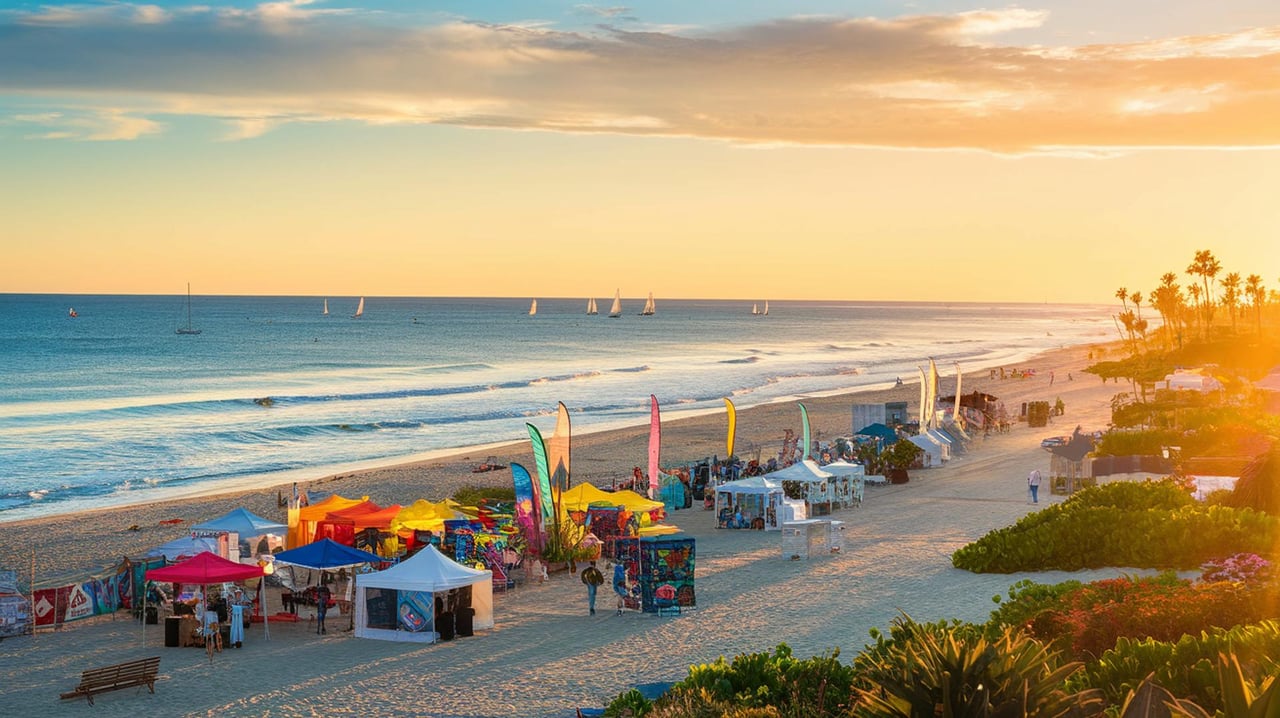
Laguna Beach offers a rare mix of beach access, art-focused culture, hiking trails, and a compact, walkable downtown. The city covers just 8.84 square miles, has about 23,000 residents, and welcomes roughly six million visitors each year.
That mix creates a very specific second-home experience. You get the charm and convenience people come for, but you also need to plan for seasonal crowding, guest access, and parking limitations in some areas.
Choose the Right Laguna Beach Lifestyle Zone
A useful way to approach a second-home search here is to think in terms of lifestyle zones. In Laguna Beach, your day-to-day experience can feel very different depending on whether you choose a village-adjacent home, a hillside property, or an oceanfront location.
Village and downtown homes
Village-adjacent properties often appeal to buyers who want convenience and walkability. You may be closer to shops, beaches, dining, and activity centers, and the city’s transit options can help reduce some of the pressure around getting around town.
Laguna Beach operates the Summer Breeze trolley between an Irvine park-and-ride and downtown along Coast Highway, and the free Laguna Local connects residential neighborhoods with major destinations inside the city. That convenience matters because some areas still have three-hour metered parking, while others have very limited neighborhood parking.
Hillside and canyon homes
Hillside and canyon homes often attract buyers who want broader views, more privacy, and a quieter residential setting. These homes can offer a very different pace from the central coast and village areas.
At the same time, wildfire planning becomes a much larger part of ownership. Laguna Beach identifies wildfire risk as its number one public safety threat, has adopted 2025 fire-hazard-severity maps, and maintains fuel breaks in much of the perimeter and select interior canyon areas.
The city also encourages residents to know evacuation routes in advance. Its evacuation planning includes hillside areas such as Arch Beach Heights and Bluebird Canyon, along with other parts of the city.
Oceanfront and near-ocean homes
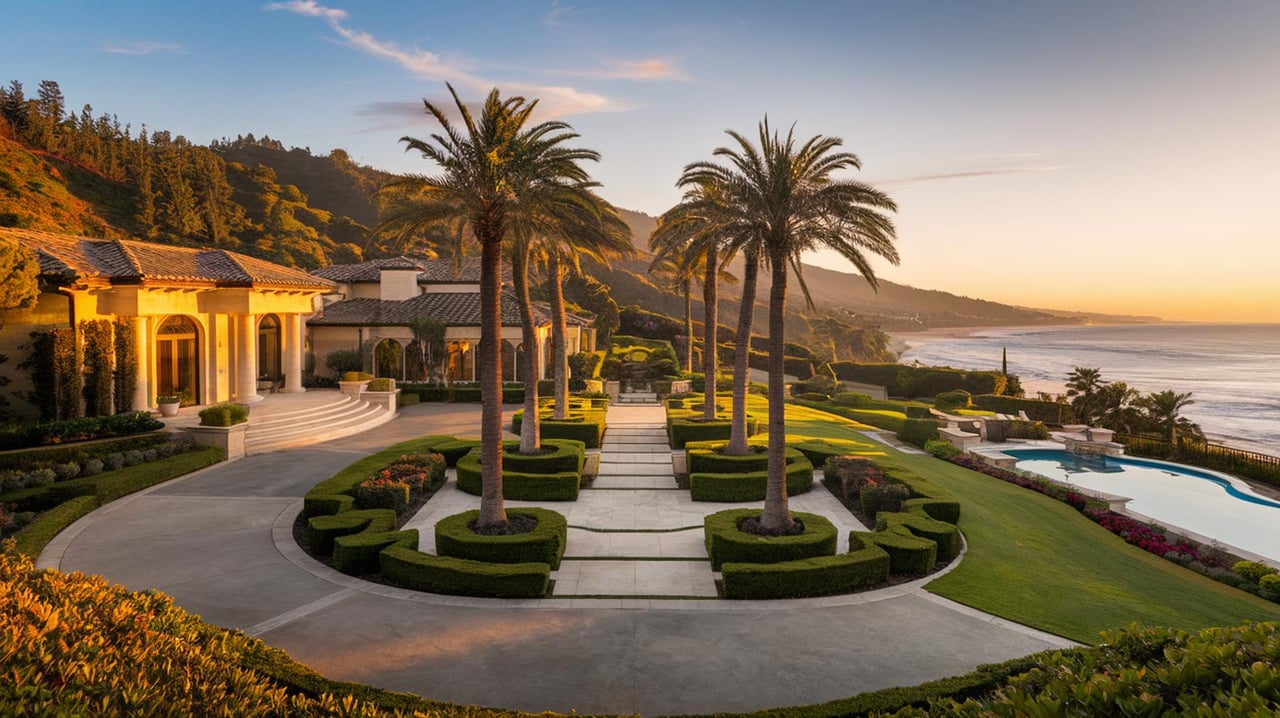
Oceanfront and near-ocean properties can deliver the classic Laguna Beach lifestyle many second-home buyers imagine. Direct beach access, water views, and strong lifestyle appeal are often the big draw.
But these properties also come with the greatest coastal-risk and insurance considerations. The California Coastal Commission says sea level rise is expected to accelerate and could reach 1 to 6.6 feet by 2100, with related risks that include flooding, wave impacts, and coastal erosion.
For insurance, the California Department of Insurance notes that standard homeowners policies typically do not cover flood, mudslide, or debris-flow damage. It also notes that the FAIR Plan does not cover storm-related damage unless you add a separate difference-in-conditions policy.
Budget Beyond the Purchase Price
When you are planning a second home in Laguna Beach, the purchase price is only the starting point. Ongoing costs can vary meaningfully by location, property condition, and how often the home will sit vacant.
Property taxes and supplemental bills
California property taxes are generally shaped by Proposition 13. For a newly purchased home, that usually means the property is reassessed at transfer.
In Orange County, supplemental property tax bills are issued separately from the annual bill. These bills are prorated from the transfer date or new-construction date through June 30, and depending on timing, you may receive more than one supplemental bill.
For out-of-area buyers, this is one of the most common budgeting surprises. It is worth building room for it into your ownership plan before you close.
Utilities, sewer, and maintenance
Monthly ownership costs go beyond your loan payment and taxes. You should also account for insurance, water, utilities, and ongoing maintenance.
Laguna Beach utility service can vary by address. The Laguna Beach County Water District serves most of the city, South Laguna is served by the South Coast Water District, electricity is provided by SCE in central and North Laguna, and SDG&E serves South Laguna.
Sewer service charges are collected through the County property tax roll, and the city states that property owners are responsible for the private sewer lateral from the home to the city main. That private responsibility can matter if repairs are needed.
If your second home will sit empty for stretches, vacancy-related upkeep matters too. Laguna Beach notes that infrequently used drains can dry out and allow sewer odors into the home, so it recommends periodically running water in guest baths, laundry rooms, and floor drains.
The city also recommends periodic inspection of private sewer laterals because roots, clogs, or cracks can lead to backups and expensive repairs. For part-time owners, small maintenance steps can help prevent larger issues.
Insurance should come early
In Laguna Beach, insurance should be part of the property decision from the beginning, not the end of escrow. That is especially true for hillside, canyon, and oceanfront homes where wildfire or coastal exposure may shape availability and cost.
The CFPB recommends getting an informal insurance estimate before committing in a high-risk area. The California Department of Insurance also advises homeowners to update coverage after improvements and maintain a home inventory.
Know the Rental Rules Before You Buy
Many second-home buyers want flexibility. You may plan to use the home yourself most of the year and rent it occasionally, but in Laguna Beach, that strategy needs careful review before you rely on it.
Short-term lodging is highly regulated
Laguna Beach does not treat short-term rentals as a simple side option. The city says short-term lodging is no longer allowed in residential districts R-1, R-2, and R-3, though existing permitted units in those districts may continue as legal nonconforming uses that run with the land.
Short-term lodging is allowed in certain commercial and downtown-specific-plan zones with the proper approvals. Under the city’s updated rules, operators need a short-term lodging unit license, a city business license, an administrative or conditional use permit, and Transient Occupancy Tax registration.
The city also requires advertisements to display the license number, and operators must maintain a 24/7 contact who can respond within 60 minutes. The current city rules took effect July 1, 2025, with enforcement beginning October 1, 2025.
Taxes apply to short-term lodging income
If a property is legally used for short-term lodging, the tax side matters as well. Laguna Beach states that revenue is subject to a total 14% in taxes and assessments, made up of 12% Transient Occupancy Tax and a 2% Laguna Beach Tourism Marketing District assessment.
The city also requires quarterly TOT reporting, even if no rentals occurred during that period. If rental income is part of your second-home plan, this should be treated as an operational commitment, not just an occasional convenience.
ADUs are not a short-term rental workaround
Some buyers assume an ADU can create flexible income potential. In Laguna Beach, that is not a safe assumption.
The city explicitly states that an ADU may not be used as a short-term rental. If you are considering guest space, caretaker use, or future income, it is important to separate those goals before you buy.
Financing may shape your usage plan
Your intended use can also affect financing. Fannie Mae’s current guide says a second home must be occupied by the borrower for some portion of the year, suitable for year-round occupancy, under the borrower’s exclusive control, and not treated as rental property or subject to a management arrangement that controls occupancy.
That means a rental-heavy plan may push a property toward investment-property underwriting instead of second-home financing. If your strategy depends on income, it is wise to clarify that early.
Questions to Answer Before Touring Homes
A strong second-home purchase usually starts with clarity. Before you tour too many properties, it helps to answer a few practical questions that can narrow your search and prevent expensive mismatches.
How often will you really use it?
Be honest about whether this home is for long summer stays, holiday visits, weekend escapes, or extended family gatherings. That answer affects where you should buy, how much parking you need, and whether a rental strategy is worth the effort.
It also affects your full monthly budget. The CFPB notes that buyers should be realistic about total monthly payments, down payment, closing costs, and the risk of stretching beyond budget.
Can the property support your plans?
If you are thinking about remodeling, adding space, or making major changes later, verify what the parcel can legally support before you get too attached. Laguna Beach’s planning FAQ says the city’s GIS maps can show building-site designation, setbacks, height requirements, and environmental constraints.
The same city guidance notes that some projects are subject to design review. It also states that a property marked no for building-site designation may not be developed.
What happens during peak season?
Because Laguna Beach draws a large number of visitors, it is smart to experience a neighborhood during summer, not just in the quieter months. A street that feels easy in February may function very differently in July.
The city notes three-hour metered parking in some areas, limited neighborhood parking in others, and seasonal lots opened in different parts of town. For a second home, guest parking and delivery access can be just as important as the interior layout.
Are you comfortable with wildfire planning?
For hillside or canyon homes, safety planning should be part of the buying decision. Laguna Beach encourages residents to understand evacuation routes ahead of time and provides local evacuation planning resources.
The city also makes clear that wildfire preparedness, defensible space, and home hardening are part of ownership responsibility. In practical terms, that means the location and the safety profile should be evaluated together.
A Smarter Way to Evaluate Fit
The best Laguna Beach second-home decisions usually come from looking at the whole picture at once. Instead of focusing only on views, finishes, or proximity to the beach, it helps to evaluate location, parking tolerance, insurance, rental intent, and long-term maintenance together.
That is especially important if you are buying from outside the area. A calm, informed process can help you avoid the common gaps between what a property looks like on paper and how it actually functions for second-home ownership.
If you are considering a second home in Laguna Beach and want local guidance tailored to your goals, Laura Ginn can help you evaluate the right fit with clear, experienced insight.
FAQs
What should you budget beyond the purchase price for a second home in Laguna Beach?
- You should plan for property taxes, possible supplemental tax bills, insurance, utilities, water, sewer-related costs, and ongoing maintenance, especially if the home will be vacant for part of the year.
What are the short-term rental rules for a second home in Laguna Beach?
- Short-term lodging is no longer allowed in residential districts R-1, R-2, and R-3 unless a unit already has legal nonconforming status, and permitted operations in eligible zones require city approvals, tax registration, and ongoing compliance.
What insurance issues matter when buying a Laguna Beach second home?
- Insurance should be reviewed early because hillside, canyon, and oceanfront homes may involve wildfire or coastal-risk concerns, and standard homeowners policies typically do not cover flood, mudslide, or debris-flow damage.
What should you know about hillside homes in Laguna Beach?
- Hillside and canyon homes can offer privacy and views, but buyers should also review fire-hazard maps, understand evacuation routes, and plan for defensible space and home-hardening responsibilities.
Can you use an ADU as a short-term rental in Laguna Beach?
- No. The city states that an ADU may not be used as a short-term rental.
Why does parking matter for a second home in Laguna Beach?
- Laguna Beach receives heavy visitor traffic, and some areas have metered parking or limited neighborhood parking, so guest access, deliveries, and seasonal convenience can affect daily use more than many buyers expect.