Are you dreaming of waking up to the Pacific but unsure if you should prioritize a sweeping ocean view or toes-in-the-sand access? You are not alone. In San Clemente, both options deliver incredible lifestyle benefits, yet they come with different costs, risks, and long-term considerations. In this guide, you will learn how each choice impacts value, maintenance, insurance, daily living, and resale potential, plus a clear decision framework and due diligence checklist you can use before you write an offer. Let’s dive in.
What drives value in San Clemente
San Clemente’s coastal market rewards scarcity, view quality, and proximity to amenities. You will often see the highest premiums where land fronting the sand is limited, views are unobstructed and protected, and the home is near downtown, the Pier, and popular dining. Buyers also weigh perceived risk from storms, flooding, or bluff erosion, and they factor in how easy it is to renovate within the Coastal Zone.
Beachfront value patterns
- Beachfront properties are typically the rarest product, so they often command the highest price premiums in coastal markets.
- Direct beach access and wide frontage can elevate value because they are hard to replace.
- Walkability to the Pier and downtown can boost demand, especially for lifestyle or second-home buyers.
- Some buyers discount for public activity, seasonal noise, or higher perceived hazard exposure.
Ocean-view value patterns
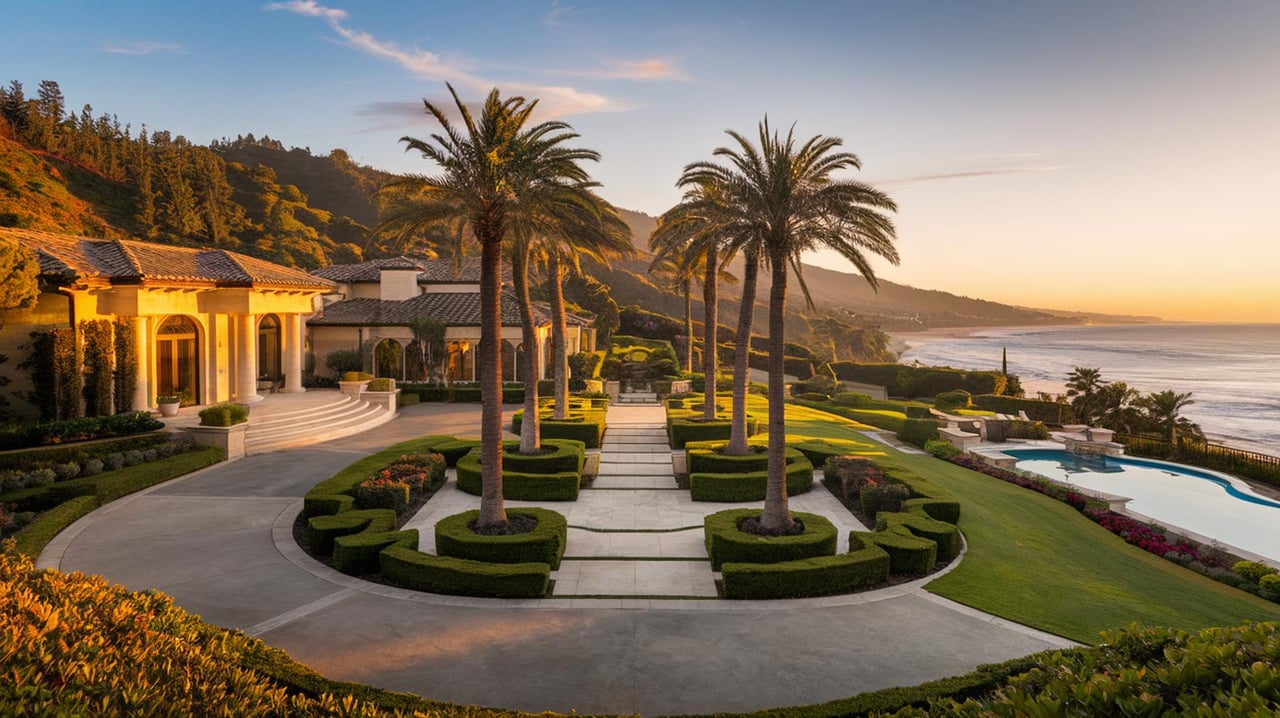
- Hillside and bluff-top homes with strong, permanent views usually trade at a premium over similar homes without a view.
- Quality of view matters. A wide, unobstructed horizon tends to outperform partial or intermittent views.
- Elevated settings can offer privacy and comfort that compete well with beachfront for many buyers.
How to pin down local premiums
General patterns help, but San Clemente premiums change with inventory and seasonality. Work with your agent to pull recent CRMLS comps for beachfront sales and for ocean-view homes with similar bed, bath, and square footage. Compare price per square foot, days on market, and sale-to-list ratios. Stratify by property type: direct beach access, bluff-top with path or stairs, and hillside view homes without access. Use the most recent 12 to 24 months to reflect current dynamics.
Cost of ownership differences
Beachfront and ocean-view homes share coastal maintenance factors, but beachfront properties usually carry additional insurance, hazard, and permitting considerations. Planning for these costs up front helps you avoid surprises.
Insurance and hazard coverage
- Homeowners insurance along the coast can be higher and more limited. Availability may change with market conditions.
- If the property sits in a FEMA Special Flood Hazard Area, lenders typically require separate flood insurance. Private flood options may be available.
- Most standard policies exclude gradual erosion. Confirm what is covered for wind, storm, and sudden damage.
- Action step: request written quotes for homeowners and flood insurance before submitting an offer.
Property taxes and fees
- Orange County property tax follows a base 1 percent rate under Proposition 13, plus local assessments. The rate is consistent, but the assessed value will reflect the premium for the view or beachfront setting.
- Beachfront or near-beach condos can have higher HOA fees to maintain coastal infrastructure and exterior elements.
Maintenance and lifecycle costs
- Salt air accelerates corrosion on railings, fasteners, HVAC condensers, and exterior hardware. You may repaint and replace exposed elements more often.
- Wood decks and trim need more frequent sealing or staining. Windows and doors may require higher-grade, corrosion-resistant materials.
- Bluff-top homes often need extra attention to drainage, retaining walls, and slope stability. Plan for inspections and maintenance that protect the hillside.
- Tip: request contractor estimates for paint cycles, HVAC replacement timelines, and coastal-grade material upgrades during your contingency period.
Bluff, erosion, and sea level considerations
- Bluff-top homes and some low beachfront parcels can face bluff retreat, slope instability, and stricter rules for shoreline protection.
- Regional sea level projections point to more frequent tidal and storm impacts over time. This can affect insurability and long-term resale.
- Action step: review FEMA flood maps, the City of San Clemente’s coastal studies, and any available elevation certificates to understand your property’s risk profile.
Lifestyle, access, and resale trade-offs
Choosing between ocean-view and beachfront is as much about daily living as it is about numbers. Consider how you want to use the home year-round.
Access and daily use
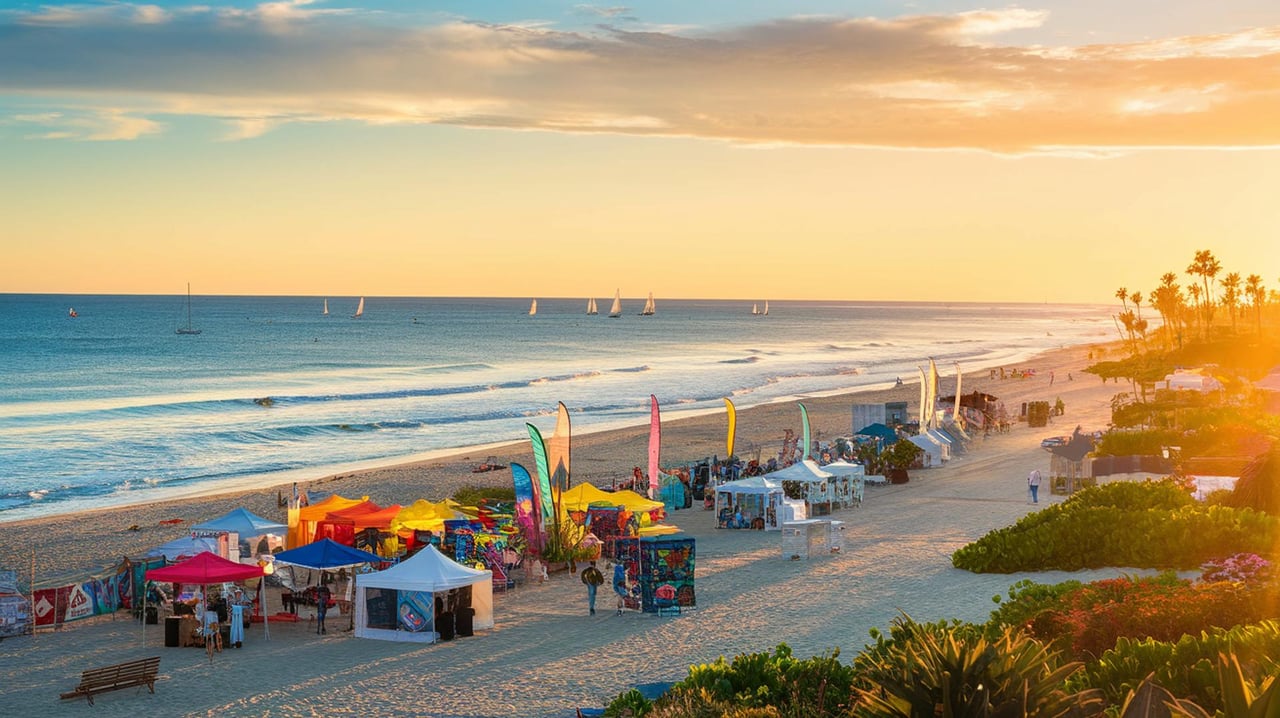
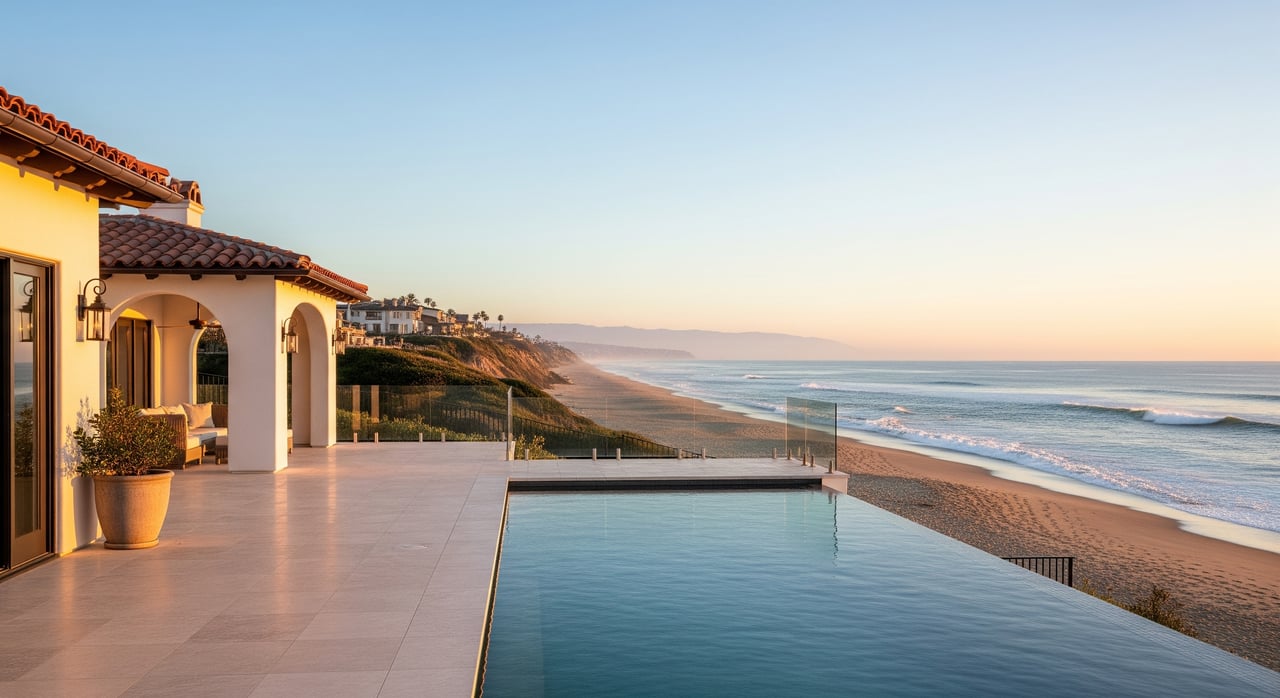
- Beachfront pros: immediate sand access, remarkable scenery, and strong guest appeal if rentals are allowed.
- Beachfront cons: seasonal crowds, parking pressure, and a higher level of public activity.
- Ocean-view pros: more privacy, elevated breezes, and a broad panorama that can be stunning at sunset.
- Ocean-view cons: a short drive or walk to the beach, and in some locations the possibility of future structures affecting view corridors.
Microclimate differences
- Beachfront areas can be cooler with more marine layer and fog, which may reduce summer air conditioning needs but can increase heating needs during gray months.
- Hillside and bluff-top properties may enjoy more afternoon sun and wider views but can experience stronger winds.
Noise, traffic, and tourism
- Near the Pier and downtown, beachfront homes can see more activity during weekends, events, and holidays.
- Hillside neighborhoods are often quieter, though guest parking can be limited on some streets.
Rules and permits in the Coastal Zone
- San Clemente lies in the California Coastal Zone. Many beachfront and bluff-top changes, including additions and major repairs, can require coastal permits.
- Bluff setbacks and shoreline regulations can limit expansion and lengthen timelines for renovations.
- Short-term rental rules vary by city area, HOA, and property type. Always verify current regulations before underwriting rental income.
Resale dynamics
- Beachfront often attracts second-home buyers and investors, which can increase price volatility in hot or slow markets.
- Ocean-view homes tend to draw more full-time residents seeking year-round comfort and privacy, which can support steadier turnover.
- Growing awareness of flood and erosion risk, plus shifts in insurance availability, can influence future buyer demand and pricing.
A clear decision framework
Use this step-by-step approach to align your choice with your lifestyle and financial goals.
- Define primary use
- Will it be a primary home, second home, or a rental if permitted? Your answer influences location, maintenance budget, and insurance.
- Rank non-negotiables
- Decide how you prioritize direct beach access, view quality, privacy, walkability to downtown, and proximity to work or schools.
- Set your risk tolerance
- Clarify how much exposure to flood or erosion you will accept, and whether you are comfortable with coastal permitting steps for upgrades.
- Map the financials
- Set a max purchase price and estimate operating costs, including homeowners insurance, potential flood insurance, HOA fees, and maintenance reserves.
- Short list and verify
- Create a focused list of homes and run the checks below before drafting offers.
Pre-tour checklist
- View permanence: ask about zoning height limits and vacant lots that could affect view corridors.
- Beach access: identify whether there is private access, a public path, or a crosswalk near the property.
- Parking: confirm on-street rules, deeded spaces, garage dimensions, and guest parking.
- Maintenance cues: look for corrosion, peeling paint, rusted fixtures, or marine growth on decks and footings.
- Noise and activity: visit at different times to gauge surf sounds, event traffic, and weekend crowds.
- Drainage and slopes: scan for standing water, hairline cracks, or stress on retaining walls.
- Systems age: note the age and placement of HVAC, water heater, and electrical panels.
- Roof and flashing: coastal storms speed up wear. Ask about recent roof maintenance.
- Pest signs: look for termite evidence and wood damage.
Due diligence and contingencies
- General home inspection.
- Geotechnical or soils evaluation for bluff-top or sloped lots.
- Roof and structural inspection with a focus on corrosion and salt exposure.
- Pest and wood-destroying organism inspection.
- Seller disclosures and any coastal permits or repair records for seawalls, retaining walls, or bluff stabilization.
- Flood zone verification and an elevation certificate if available, plus a written flood insurance quote.
- Written homeowners insurance quotes to confirm availability and premium.
- Title review for easements, public pathways, or shoreline access rights.
- Verification of short-term rental eligibility if income is part of your plan.
Offer strategy
- Build in time for geotechnical and insurance reviews. These can take longer than standard inspections.
- Consider an appraisal clause that allows discussion if view or beachfront premiums are not fully captured by appraisers.
- For bluff properties, request records of past shoreline projects and check for any assessments tied to coastal protection.
Your next steps
The right choice comes down to how you want to live and how you want your investment to perform. If you value instant beach access and are comfortable with higher maintenance and regulatory complexity, beachfront can be the perfect fit. If privacy, broad views, and slightly lower direct hazard exposure matter most, an ocean-view hillside or bluff-top home may be your ideal match.
If you want help narrowing options, validating premiums with current CRMLS comps, and crafting a clean, risk-aware offer, connect with Laura Ginn. You will get boutique guidance backed by Berkshire Hathaway HomeServices, steady negotiation, and local expertise tailored to San Clemente’s waterfront and hillside micro-markets.
FAQs
What costs are higher with beachfront homes in San Clemente?
- Expect potentially higher insurance, more frequent exterior maintenance due to salt exposure, and in many cases higher HOA fees for coastal infrastructure.
Do I need flood insurance for a beachfront property?
- If the home is in a FEMA Special Flood Hazard Area and you have a mortgage, lenders typically require flood insurance. Confirm zone status and get a written quote early.
How do I know if an ocean view is permanent?
- Review zoning height limits, check nearby vacant parcels, and ask your agent to verify any recorded view easements or HOA rules that protect the view corridor.
What permits might I need to remodel near the beach?
- Many additions or major repairs within the Coastal Zone require coastal permits, and bluff-top projects may need geotechnical review and specific setbacks.
Are ocean-view homes easier to maintain than beachfront?
- Both face coastal wear, but hillside or bluff-top homes may experience slightly less direct salt spray. You still need regular paint, window, and HVAC maintenance.
How do I compare actual price premiums in San Clemente?
- Have your agent pull recent CRMLS comps for beachfront and for ocean-view homes with similar size and features, then compare price per square foot and days on market.