Is a Monarch Beach address the right move for your portfolio? If you value rare coastal land, private amenities, and long-term preservation of wealth, this enclave deserves a serious look. You also want clarity on short-term rental rules, financing, insurance, and coastal risks before you commit. In this guide, you’ll get a clear playbook to evaluate returns, manage risk, and move confidently on the right property. Let’s dive in.
Monarch Beach at a glance
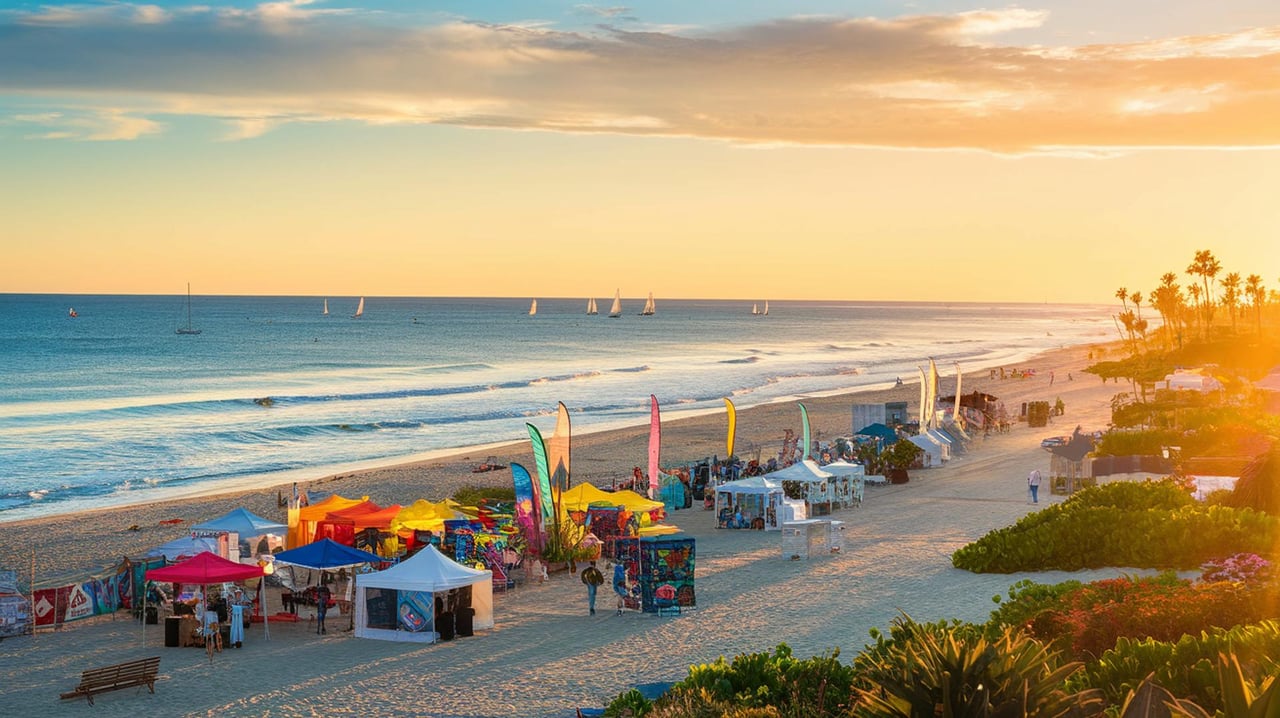
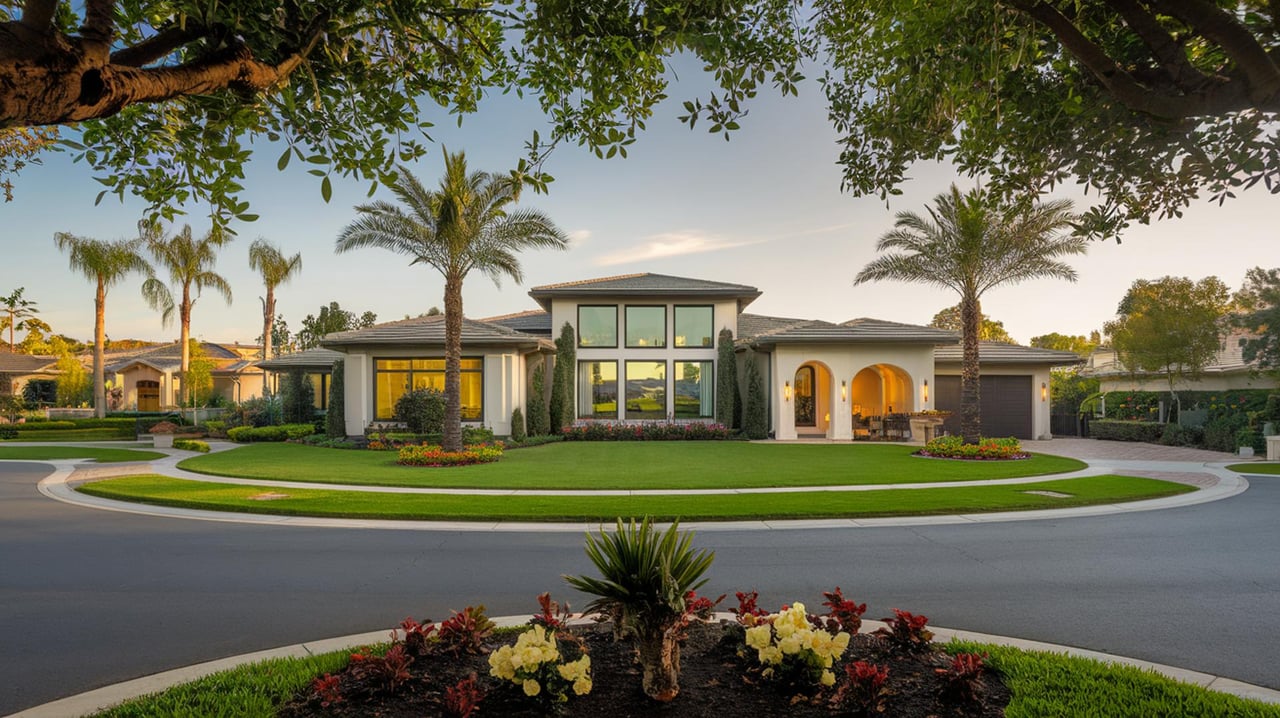
Monarch Beach is an upscale coastal neighborhood in Dana Point known for gated enclaves, resort access, and ocean-view homes ranging from luxury condos to bluff-top estates. The area includes the Waldorf Astoria Monarch Beach Resort & Club and private beach access for select communities. Get a quick primer on the setting and housing mix in the Monarch Beach overview.
Nearby amenities add to long-term appeal. The planned Dana Point Harbor revitalization is aimed at enhancing dining, retail, and marina experiences, which supports tourism and lifestyle value for owners. You can review the project scope on the Dana Point Harbor Revitalization page.
Price context and demand drivers
City and zip medians in Dana Point often range around the mid to high seven figures, while Monarch Beach’s top tier trades in the multi-million to tens-of-millions range. Recent reporting has highlighted record oceanfront sales well above $30 million, illustrating the ceiling for exceptional lots and views. For a sense of the upper market, see this WSJ coverage of record luxury sales.
Demand is supported by Southern California coastal desirability, private beach club access, and resort proximity. Premiums often follow scarcity, security, and amenities like the Monarch Bay Beach Club. Explore what the club offers on the Monarch Bay Beach Club page.
Proven strategies for luxury investors
Buy and hold for appreciation
In Monarch Beach, many investors prioritize wealth preservation and long-term appreciation over high current yield. Your decision often balances lifestyle use with measured upside over a 5 to 10-plus year horizon.
Second home with occasional rental
If occasional rental aligns with your goals, confirm the ability to rent under both city rules and your HOA. Some communities limit or prohibit short-term rentals, and private club access can be tied to membership terms.
Short-term rentals: revenue vs. rules
Short-term rentals can command premium nightly rates, but they face a permit system with caps and strict compliance. Dana Point limits permits within and outside the Coastal Zone, with specific categories for primary and non-primary residences. Review the latest requirements on the city’s Short-Term Rental program page and note that Transient Occupancy Tax is 10 percent, as outlined in the city’s TOT FAQs.
Know the rules before you buy
HOAs can control rental activity, guest policies, and whether beach-club access transfers. Ask for CC&Rs, recent HOA minutes, and club membership terms during due diligence. If your plan depends on rental income, confirm that both city permits and HOA rules allow your intended use.
Parts of Monarch Beach sit in California’s Coastal Zone. Significant remodels, bluff work, or seawall changes may require review for consistency with local coastal programs and state guidance. Start your coastal risk planning with the California Sea-Level Rise Guidance.
Financing, insurance and taxes
Jumbo financing is common for high-value coastal homes and may require larger down payments, strong credit, and cash reserves. To frame your budget correctly, check current conforming limits and jumbo basics with this conforming loan limits guide.
Coastal insurance planning should include quotes for homeowners, flood, and earthquake coverage. Lenders may require flood insurance if a property is in a FEMA-designated zone. Verify parcel-specific status on the FEMA Flood Map Service. Earthquake damage is not covered by standard policies, so price a separate policy or plan adequate reserves.
Property taxes in California generally start near 1 percent of assessed value, plus local assessments. A resale triggers reassessment under Proposition 13, which can increase the annual tax bill in high-price areas. Learn the basics in the Proposition 13 overview.
Coastal risks and property due diligence
Sea-level rise and storm intensity introduce planning considerations for oceanfront and bluff-top sites. State guidance projects measurable rise by 2050, with wider ranges by 2100. You can explore scenarios and planning ranges in the California Sea-Level Rise Guidance.
For bluff or low-elevation properties, order geotechnical studies, evaluate shoreline protection, and budget for maintenance of seawalls or retaining structures. Confirm parking counts and guest rules, since short-term rental permits often limit parking to on-site spaces only.
10-step investor checklist
- Define your use case: primary, second home, STR, or long-term lease.
- Request HOA CC&Rs, minutes, dues history, and beach club membership terms.
- Verify city STR permit eligibility, category, and availability for the exact parcel.
- Underwrite three cases for STR: pessimistic, base, and optimistic occupancy and rates.
- Price management fees, cleaning, supplies, and a reserve for seasonal slowdowns.
- Model TOT at 10 percent and confirm your filing process with the city.
- Get jumbo pre-approval, including reserve requirements and rate stress tests.
- Order insurance quotes for homeowners, flood if required, and earthquake coverage.
- Pull FEMA flood maps and commission geology or bluff studies where relevant.
- Build a 5 to 10-year hold plan with exit options and capital improvement budgets.
Build a simple pro forma
If you plan to operate as a short-term rental, start with conservative inputs.
- Revenue: seasonal occupancy and average nightly rate benchmarks.
- Operating costs: 10 to 30 percent for management, turnover, supplies, utilities, HOA/club dues.
- Taxes: 10 percent TOT on short stays and standard income tax reporting.
- Net operating income: test vacancy shocks and rate pressure, then overlay financing.
A disciplined model helps you compare properties and keeps focus on total return and risk.
Partner with a local expert
You deserve composed, expert guidance for a high-stakes coastal purchase. Backed by Berkshire Hathaway HomeServices, Laura provides boutique service, proven negotiation, and local knowledge across Monarch Beach, Dana Point, and nearby communities. If you are weighing a purchase, sale, or lease strategy, connect with Laura Ginn to review comps, rules, and a tailored acquisition plan.
FAQs
Can you run a vacation rental in Monarch Beach?
- Yes in some cases, subject to Dana Point’s permit program, caps, inspections, and HOA rules. Start with the city’s Short-Term Rental program page and verify your HOA allows the use.
How does Dana Point’s Transient Occupancy Tax work?
- Short stays are generally subject to a 10 percent TOT that you must collect and remit. Read the city’s TOT FAQs and confirm platform collection policies.
What financing should I expect for a luxury coastal home?
- Many purchases require jumbo loans with higher down payments, strong credit, and cash reserves. Review current thresholds in the conforming limits guide.
What coastal risks should I plan for in Monarch Beach?
- Budget for sea-level rise, storm impacts, and potential bluff or shoreline maintenance over time. California’s planning ranges are summarized in the Sea-Level Rise Guidance.
Do I need flood or earthquake insurance near the coast?
- Lenders may require flood insurance in mapped zones and standard homeowners policies exclude earthquake damage. Check parcel status on FEMA flood maps and price separate earthquake coverage with your insurer.