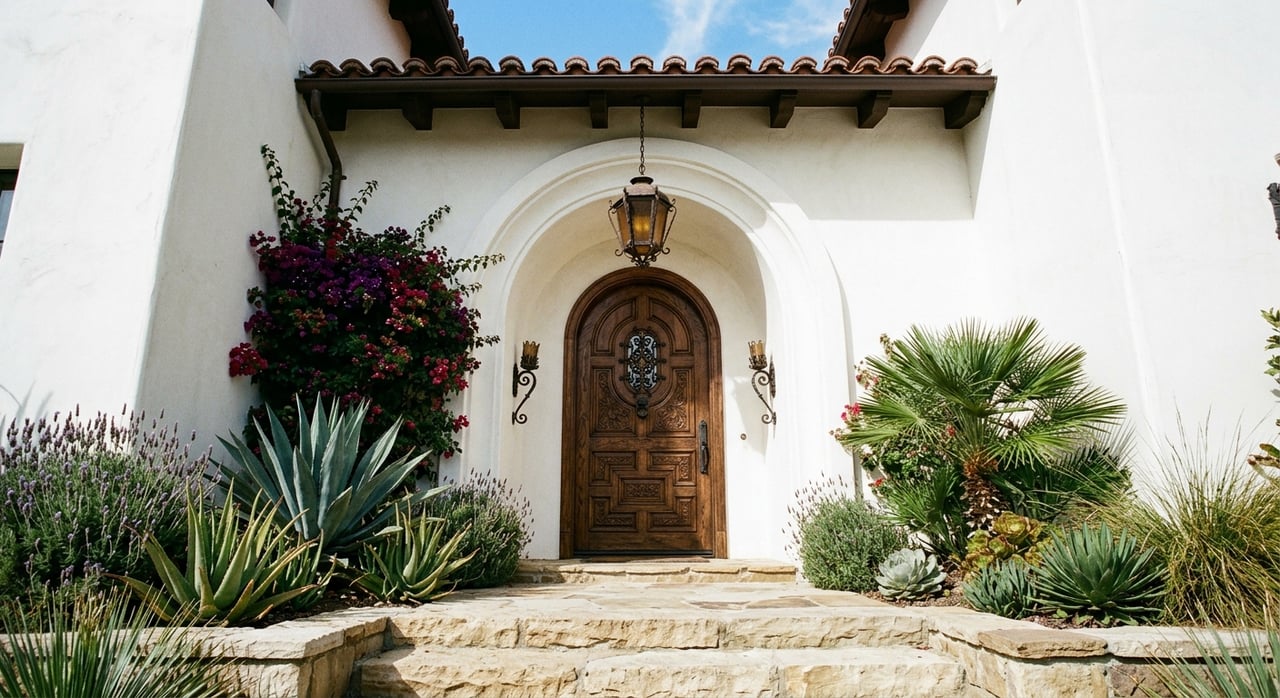
If you are getting ready to sell a coastal home in San Clemente, you are not just listing another property. You are bringing a location, a lifestyle, and a more complex set of local factors to market. The right strategy can help you price with confidence, prepare the home properly, and present it in a way that attracts serious buyers. Let’s dive in.
Know what “coastal” means locally
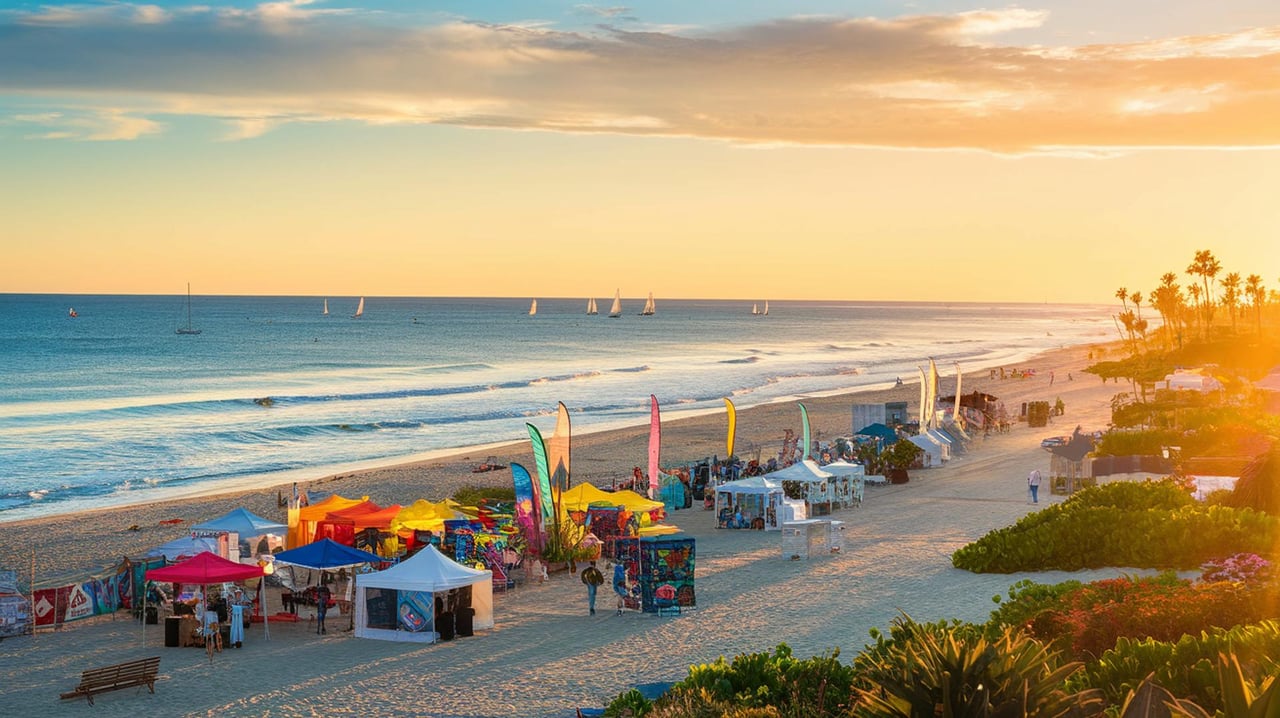
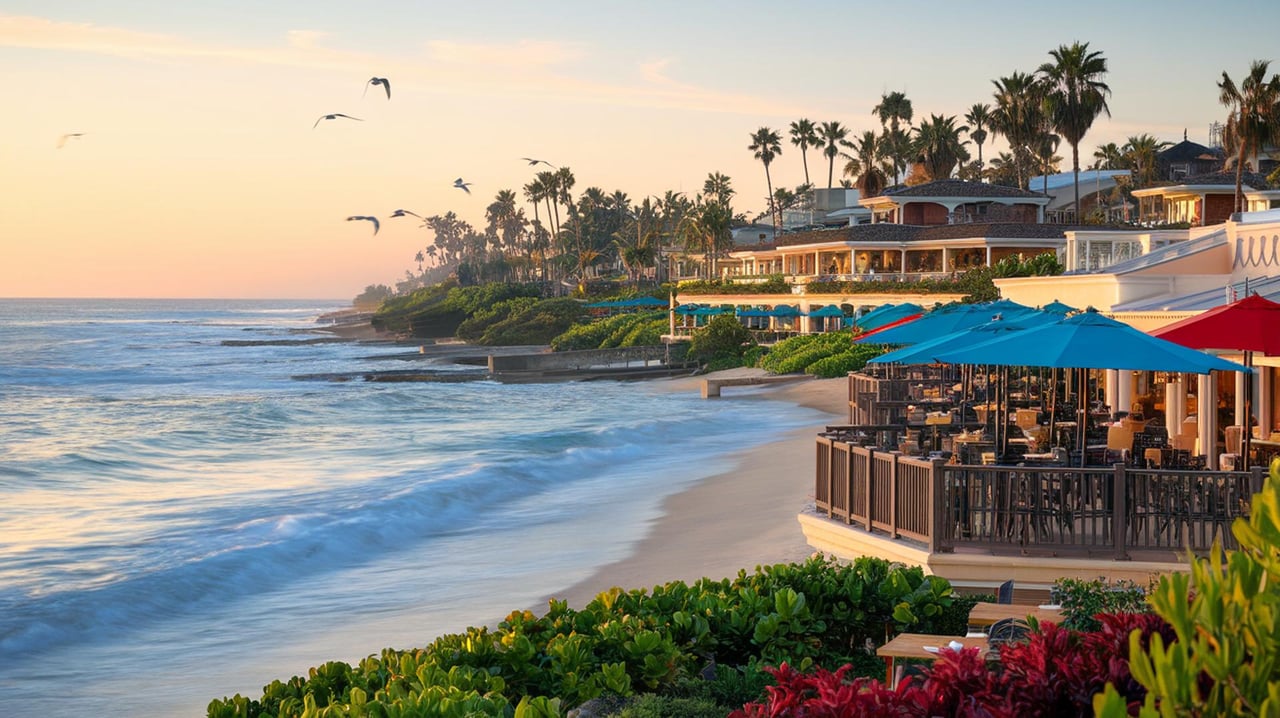
In San Clemente, a coastal home can mean more than just an oceanfront address. The city’s coastal zone generally stretches inland to Interstate 5, covers about five miles of coastline, and includes 15 public beach access ways. The Local Coastal Program applies to about 15% of the city’s land area, so homes in this area may be affected by a different planning framework than inland properties.
That matters when you list. A blufftop home, a beach-close home, and a home with both features may all appeal to buyers for different reasons, but they can also raise different questions about access, planning history, or long-term coastal conditions. A strong listing strategy starts with understanding exactly how the property fits into San Clemente’s coastal setting.
Start with due diligence
Before your home goes live, gather the facts a buyer is likely to ask for. California requires a Transfer Disclosure Statement to be delivered as soon as practicable and before title transfers. If your property falls within a state-mapped hazard area, the Natural Hazard Disclosure Act also applies.
For coastal homes, flood-zone review is especially important. FEMA mapping may show whether the property falls within a Special Flood Hazard Area or a coastal high-hazard V or VE zone, where wave action and fast-moving water can create greater risk. If the home was built before 1978, lead-based paint disclosure rules also come into play.
San Clemente also recommends requesting the property’s planning history when you need development history, Coastal Commission records, zoning information, allowable uses, short-term lodging permit records, historic-property information, or condo-conversion history. This step can help you answer buyer questions early and reduce surprises once you are in escrow.
Consider a pre-list inspection
A pre-sale inspection is not required, but it can be a smart move. It may identify issues with the structure, exterior, roof, plumbing, electrical systems, HVAC, or health-related concerns such as mold, lead paint, or asbestos.
If an inspection uncovers major items, you do not always have to repair everything before listing. You can still benefit by understanding likely repair costs up front. That gives you more control over pricing, disclosures, and any repair credits you may choose to offer during negotiations.
Be careful with pre-list improvements
Freshening up a coastal home can help it show better, but exterior work should be planned thoughtfully. The City points property owners to runoff and coastal-water-protection requirements when exterior repairs or improvements are involved.
In other words, even simple prep work should be handled with care. If you are making updates before listing, it helps to confirm what is needed so your improvements support the sale instead of creating new questions.
Price from coastal comps, not city averages
San Clemente’s broader market gives useful context, but coastal pricing should be built from neighborhood-level comparables. As of spring 2026, citywide listing and sales data show a market where pricing precision matters, with homes generally moving in around 40 to 41 days and sale-to-list ratios in nearby ZIP codes around 98% to 99%.
That tells you something important. Buyers in San Clemente are often willing to pay close to asking when a property is positioned well, but they are still paying attention to value. A coastal home that is priced too aggressively can lose momentum, while a well-calibrated price can support stronger interest and cleaner negotiations.
Account for bluff and shoreline factors
For blufftop and near-bluff properties, price should reflect more than views alone. San Clemente’s Local Coastal Program identifies bluff erosion as a long-term hazard and notes that sea level rise may eventually threaten parts of the shoreline protection system and nearby infrastructure.
The city also tracks erosion hot spots and ongoing shoreline monitoring. That means buyers may weigh documented bluff conditions, access questions, permit history, and maintenance considerations alongside the home’s location and outlook. A clear-eyed pricing strategy helps you stay credible with serious buyers.
Use current beach conditions wisely
San Clemente’s sand replenishment project is designed to widen the beach and reduce erosion. For beach-close listings, this can shape buyer perception and how the property is photographed and marketed.
At the same time, shoreline conditions are not static. That is why current visuals, current disclosures, and current market positioning matter so much. You want your listing to reflect the property as it exists today, while still answering practical buyer questions.
Prepare the home for online attention
Most buyers begin with photos, and that makes visual presentation one of the most important parts of your launch. Research shows that 81% of buyers rate listing photos as the most useful feature online.
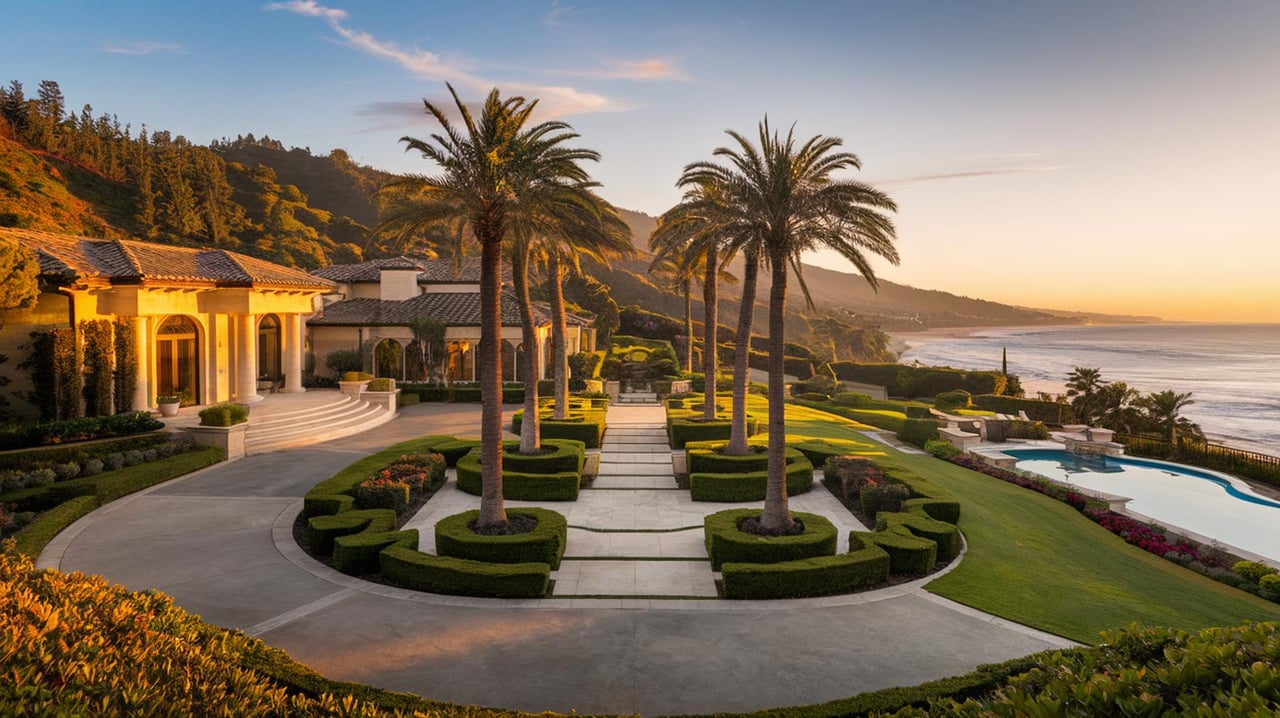
For a San Clemente coastal home, that means your imagery should do more than document rooms. It should highlight the qualities buyers are actively searching for, especially outdoor living areas, natural light, indoor-outdoor flow, and features that make coastal living feel usable and comfortable.
Focus on the features buyers notice most
When preparing your home for market, pay close attention to the areas that influence first impressions:
- Ocean views and sightlines
- Decks, patios, courtyards, and terraces
- Clean, bright exterior presentation
- Flexible interior spaces
- Energy-efficient upgrades
- Smart-home features
- Pool and entertaining areas, if applicable
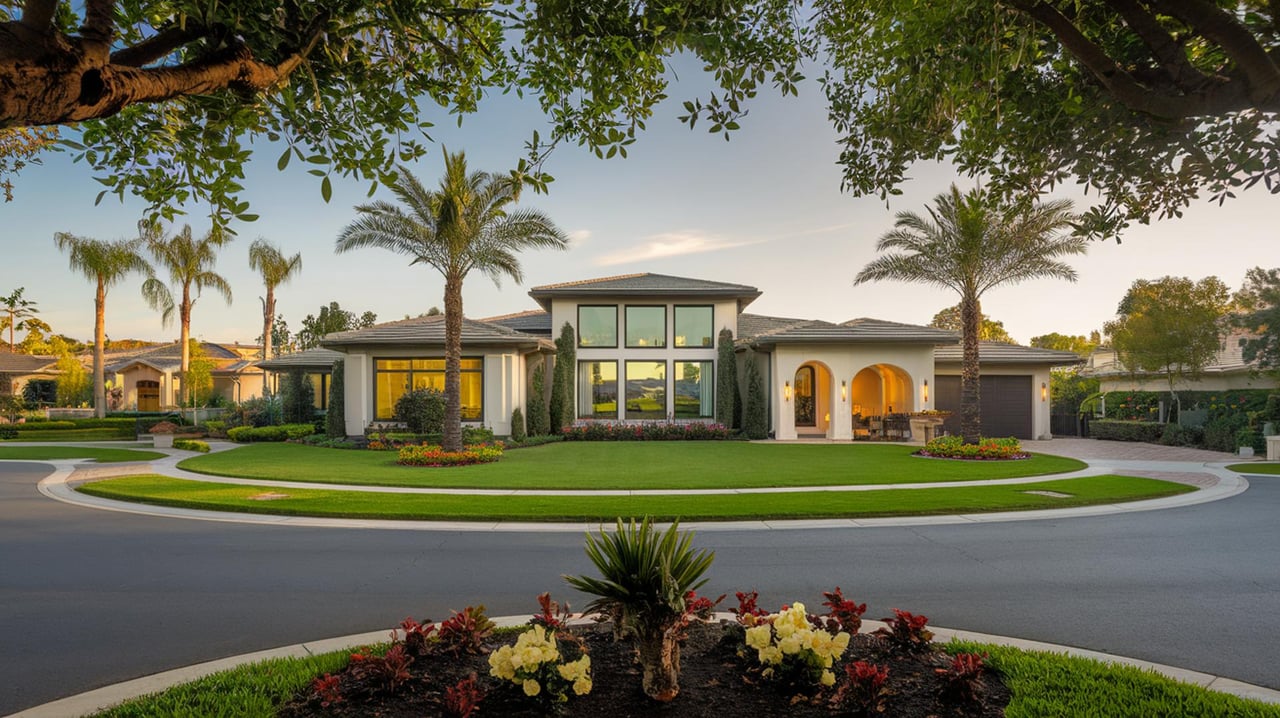
Strong exterior and lifestyle images can outperform a generic room-by-room approach. In a high-value coastal market, buyers often decide whether to schedule a showing based on how clearly the listing communicates the home’s setting and livability.
Staging still matters
Even in the luxury segment, staging can make a measurable difference. NAR’s 2025 staging report found that 29% of agents saw a 1% to 10% increase in the dollar value offered when a home was staged, and 49% reported reduced time on market.
That does not always mean fully redesigning the home. Often, the biggest gains come from cleaning, decluttering, sharpening curb appeal, and arranging each space so buyers can quickly understand how it lives. For coastal homes, that usually means emphasizing openness, light, and outdoor connection.
Time your launch around how the home shows
Timing matters, especially when your property’s appeal depends on weather, views, and outdoor spaces. Spring is typically considered the best season to list, and many San Clemente sellers benefit from launching when natural light is strong and patios, decks, and landscaping show at their best.
That said, the best timing is not only about the calendar. It is also about readiness. A well-prepared home with polished presentation, complete disclosures, and a thoughtful pricing strategy is usually better positioned than a rushed listing that hits the market a few weeks earlier.
Negotiate beyond the headline price
Once offers come in, the highest price is not always the strongest offer. In San Clemente’s coastal market, it is important to evaluate the full picture, including financing strength, proof of funds, contingencies, timing, and repair requests.
This is especially relevant in a market where many buyers use experienced representation and nearly one in three repeat buyers may be all-cash. A cash offer with fewer contingencies may be more attractive than a higher financed offer with more moving parts.
Keep inspection issues from stalling the sale
If your pre-list inspection or buyer inspection reveals concerns, you still have options. Depending on the issue, you may choose to make repairs, offer a credit, or adjust pricing.
The key is to stay disciplined and responsive. Coastal transactions often involve more documentation and more nuanced buyer questions, so calm, organized negotiation can help protect your position and keep the deal together.
What a strong coastal listing needs
In San Clemente, the best coastal listings usually come down to three essentials:
- Comp-based pricing tied to the home’s exact location and coastal factors
- Clean documentation for disclosures, planning history, and hazard review
- High-quality presentation that sells the property’s lifestyle visually
When those pieces work together, your listing is easier for buyers to understand and easier for the market to trust. That can lead to stronger interest, better offers, and a smoother path to closing.
If you are preparing to sell a coastal home in San Clemente, working with a calm, detail-oriented strategy can make a meaningful difference. For tailored guidance on pricing, preparation, and positioning, connect with Laura Ginn.
FAQs
What makes a home a coastal property in San Clemente?
- In San Clemente, the coastal zone generally extends inland to Interstate 5, and properties within that area may be subject to the city’s Local Coastal Program and related planning considerations.
What disclosures matter when listing a coastal home in San Clemente?
- A coastal home sale may involve the California Transfer Disclosure Statement, Natural Hazard Disclosure requirements, FEMA flood-zone review, and lead-based paint disclosure if the home was built before 1978.
Should you get a pre-list inspection for a San Clemente coastal home?
- A pre-list inspection is not required, but it can help identify condition issues early so you can plan repairs, credits, or pricing adjustments before buyers raise them.
How should you price a coastal home in San Clemente?
- Coastal homes should be priced using neighborhood-level comparables and adjusted for factors like views, bluff or shoreline conditions, planning history, and overall market positioning rather than citywide averages alone.
When is the best time to list a coastal home in San Clemente?
- Spring is typically a strong season because natural light and outdoor spaces often show especially well, but the best launch timing also depends on how prepared your home is for market.
What do buyers look for in a San Clemente coastal listing?
- Buyers often respond to strong photography, outdoor living areas, indoor-outdoor flow, natural light, flexible spaces, and well-presented features that support the coastal lifestyle.