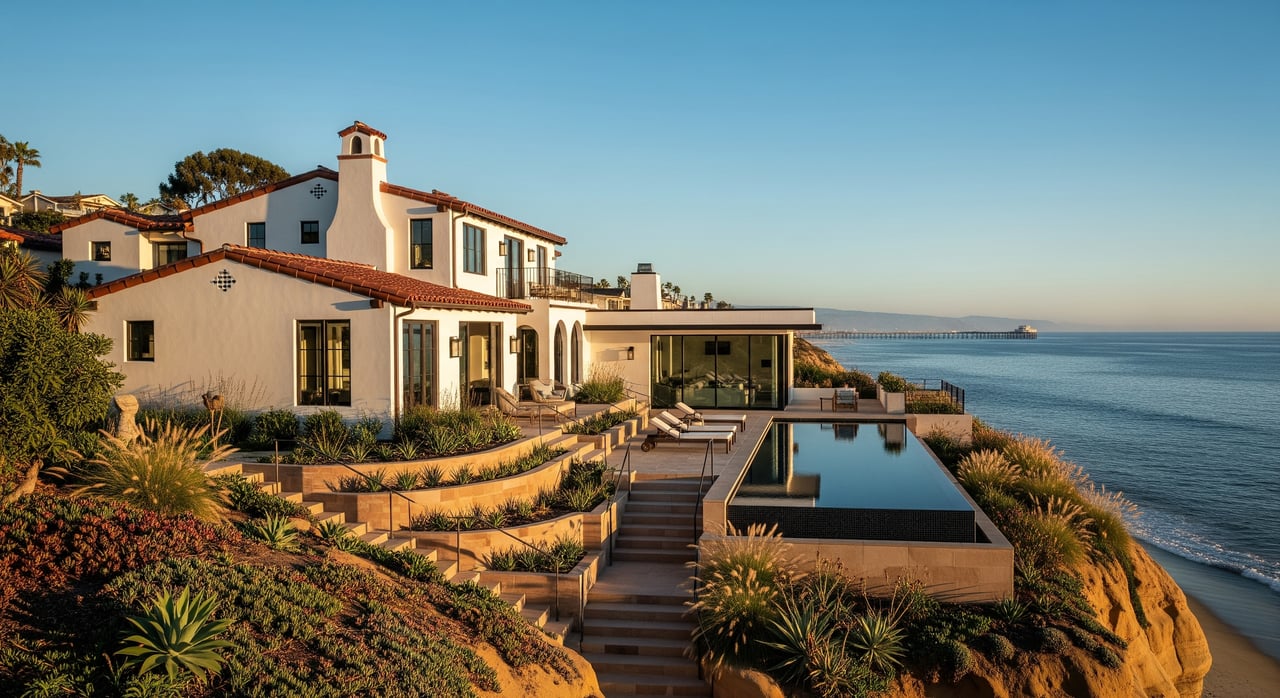
Planning work near the water in San Clemente can feel complex. You want to improve or sell with confidence, without surprises that delay your timeline. In this guide, you will learn when a Coastal Development Permit (CDP) is required, who issues it in San Clemente, how it fits with local zoning, what to submit, and how appeals work. Let’s dive in.
What a CDP is
A Coastal Development Permit is a discretionary approval that checks your project for consistency with California’s Coastal Act and San Clemente’s certified Local Coastal Program (LCP). The Coastal Act is implemented by the California Coastal Commission. You can review the Commission’s permit overview on the Coastal Commission’s permits and consistency page.
In San Clemente, the City’s LCP sets local coastal policies and standards. Your project must align with those standards to receive a CDP.
- Learn more about the Commission’s role on the Coastal Commission permits page: Coastal Commission — Permits & Consistency
- See information on LCPs and certification status: Coastal Commission — Local Coastal Programs
Who issues your permit in San Clemente
City leads most CDPs
If your project site is in San Clemente’s coastal zone and your design meets the City’s certified LCP, the City of San Clemente is usually the permitting authority. The Planning Division provides application forms, submittal checklists, and fee schedules. Start on the City’s website and search for “Coastal Development Permit” to find the current forms and contacts: City of San Clemente — Planning Division
When the Coastal Commission is involved
The California Coastal Commission may have original jurisdiction or appeal authority. Common triggers include:
- Work on state tidelands, submerged lands, public trust lands, piers, or marinas
- Development seaward of the mean high tide line or between the sea and the first public road with shoreline access
- Shoreline armoring, such as seawalls or revetments
- Development on or near coastal bluffs with erosion or stability concerns
- Subdivisions, changes in use that increase intensity, or projects that raise public access or visual resource issues
Local CDP decisions in “appealable areas” can be appealed to the Commission within defined deadlines. For appeal procedures and timelines, review the Coastal Commission permits and appeals guidance.
Do you need a CDP? Common projects
- Remodels and additions: If your property is in the coastal zone and the work is discretionary or changes the use or intensity, a CDP is commonly required. Minor, purely ministerial building work may not require a CDP. Confirm with the City early.
- Bluff-top or bluff-adjacent homes: Expect geotechnical studies and possible setbacks. Long-term erosion risk is a key factor in what is allowed.
- Shoreline protection: New hard armoring is closely scrutinized. The Coastal Act aims to minimize shoreline armoring; alternatives or mitigation may be required.
- Access and views: Projects that affect public access or public views often face additional review.
- ADUs: ADUs in coastal zones can trigger CDP requirements depending on location and how the ADU is processed under local and state law. Check with the City.
How CDPs fit with zoning and Specific Plans
A CDP does not replace local land-use approvals. You may still need design review, variances, conditional use permits, and building permits under San Clemente’s zoning. Many projects run multiple approvals together, such as CDP plus design review and building permits.
San Clemente uses Specific Plans and overlays in certain coastal areas. These documents, which work alongside the LCP, set tailored standards for height, setbacks, access, and view corridors. Your CDP review will check consistency with any applicable Specific Plan and the certified LCP.
Keep in mind that CDP conditions often get recorded and stay with the property. If you sell later, future changes may be limited by those conditions.
Your step-by-step plan
Early checks and pre-application
- Schedule a pre-application meeting with the City’s Planning staff, especially for bluff or beachfront sites.
- Confirm if your property is in an appealable area or near tidelands.
- Map out potential Commission involvement based on site conditions and project type.
What to submit
Typical submittal items for a San Clemente CDP include:
- City CDP application form
- Scaled site plan, floor plans, elevations, and landscape plan
- Project description, including construction methods and staging
- Coastal consistency checklist addressing LCP and Coastal Act policies
- Geotechnical report and slope stability analysis for bluff or hazard areas
- Biological surveys if ESHA, wetlands, or protected species may be affected
- Archaeological and cultural resources assessment, as needed
- Drainage and stormwater management plan
- Visual analysis and public view assessment, if applicable
Find current forms and checklists via the City’s planning pages: City of San Clemente — Planning Division
Review, hearings, and appeals
- The City reviews your application for completeness and requests any needed studies.
- Public notice and a hearing are typical for discretionary actions. The Planning Commission often serves as the hearing body, with local appeal to the City Council under City rules.
- If the property lies in an appealable area, there is a post-decision appeal window to the Coastal Commission. The Commission may take jurisdiction and hold its own public hearing.
Timeline and costs
Processing time depends on site conditions and study needs. Technical reports, such as geotechnical or biological surveys, can add months. With a complete submittal, City processing may take several weeks to several months. If a case is appealed to the Coastal Commission, expect added time based on Commission schedules.
Complex projects involving bluff stability, shoreline protection, or public access and view issues typically require more time and budget for studies and hearings.
Special cases: emergencies and repairs
If a hazard requires immediate action, emergency permits are possible through the City and the Coastal Commission. These allow urgent work to proceed under expedited procedures, followed by a formal or after-the-fact CDP. Contact both agencies as soon as a hazard is identified.
Buyer or seller? What to watch
- For buyers: Review the CDP history, recorded conditions, and any required maintenance or monitoring. Ask about bluff setbacks, erosion rates, and any limits on future expansion.
- For sellers: Assemble your permit records and plans early. Clear documentation helps buyers understand constraints and supports a smoother escrow.
- For both: Align your project scope with the LCP and Specific Plans. Early coordination with the City reduces redesigns and delays.
Next steps and local support
Start with a planning call to the City, then review the Commission’s permit pages to understand jurisdiction and appeals. If your site is on a bluff or near the beach, engage qualified geotechnical and coastal consultants early.
If you are buying or selling along the San Clemente coast, you deserve a calm, expert plan. For personalized guidance, market strategy, and coordinated due diligence, connect with Unknown Company.
FAQs
When a CDP is required for San Clemente remodels
- If the property is in the coastal zone and the work is discretionary or increases intensity or changes use, a CDP is commonly required. Confirm with the City for minor, ministerial work.
Who issues CDPs in San Clemente vs. the Coastal Commission
- The City issues most CDPs consistent with the certified LCP. The Coastal Commission has original jurisdiction for certain areas and can hear appeals in appealable areas.
Bluff-top setbacks and building potential in San Clemente
- Bluff properties typically require geotechnical analysis and may have strict setbacks. Long-term erosion risk can limit development or require alternatives to shoreline armoring.
Coastal Commission appeals timeline and process
- Local approvals in appealable areas can be appealed to the Coastal Commission within set deadlines. The Commission reviews and may hold a hearing based on its procedures.
ADUs and CDPs in San Clemente’s coastal zone
- ADUs can trigger CDP requirements depending on location, the LCP, and whether the ADU is ministerial or discretionary under local and state law. Check with the City.